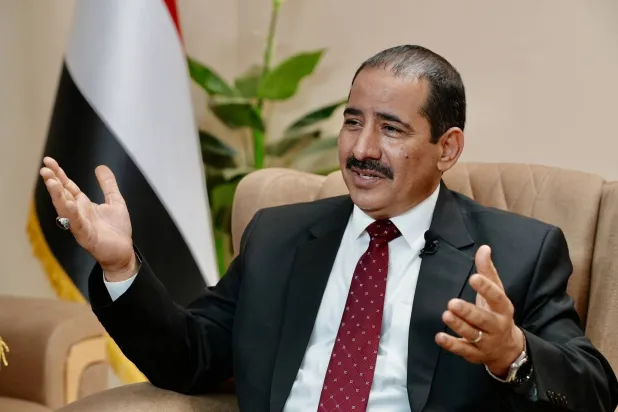
Yemen’s Interior Minister Major General Ibrahim Haidan revealed what he described as the foiling of the “largest political assassination plot” in the temporary capital Aden, saying security forces had carried out a successful pre-emptive operation against terrorist cells linked to foreign actors that were planning to target prominent political and security figures as part of what he called an “intelligence war” against the Yemeni state and its institutions.
In an extensive interview with Asharq Al-Awsat, Haidan said investigations had uncovered foreign funding and logistical support for the cells behind the recent assassinations in Aden, adding that authorities found documents, maps and tools in the possession of cell members that exposed the scale of the plot and its objectives.
The minister said security coordination with Saudi Arabia was taking place “at the highest levels,” describing ties between the two countries as a “shared destiny” and praising support provided by the Kingdom under the leadership of Custodian of the Two Holy Mosques King Salman bin Abdulaziz and Crown Prince Mohammed bin Salman.
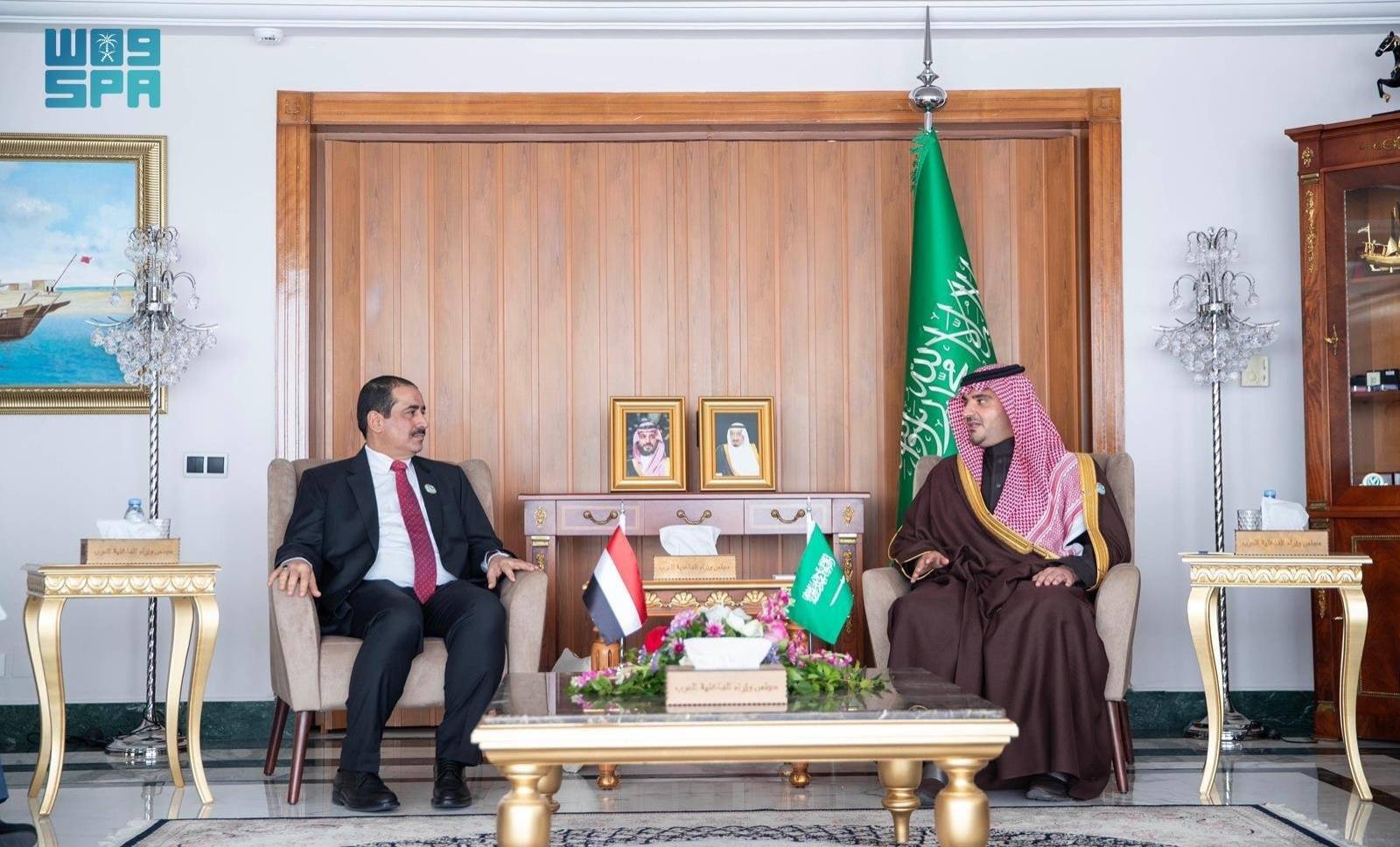
Shared destiny with Saudi Arabia
Haidan stressed that Yemen’s relationship with Saudi Arabia represented a “shared destiny.”
“Given the circumstances Yemen is going through, we find our brothers in Saudi Arabia dedicating all their efforts to supporting Yemen’s legitimate government in restoring the state and achieving security, economic and political stability,” he said. “Therefore, Yemen’s security is an integral part of the region’s security.”
He added that this made security coordination between Yemen and Saudi Arabia “at its highest levels,” while expressing appreciation for the “generous and continued support” provided by the Kingdom, including in training, rehabilitation, logistical and technical assistance.
Haidan said the support had played a major role in ensuring the resilience and continuity of Yemen’s security institutions, adding: “We consider the Kingdom our primary strategic partner in the battle against terrorism.”
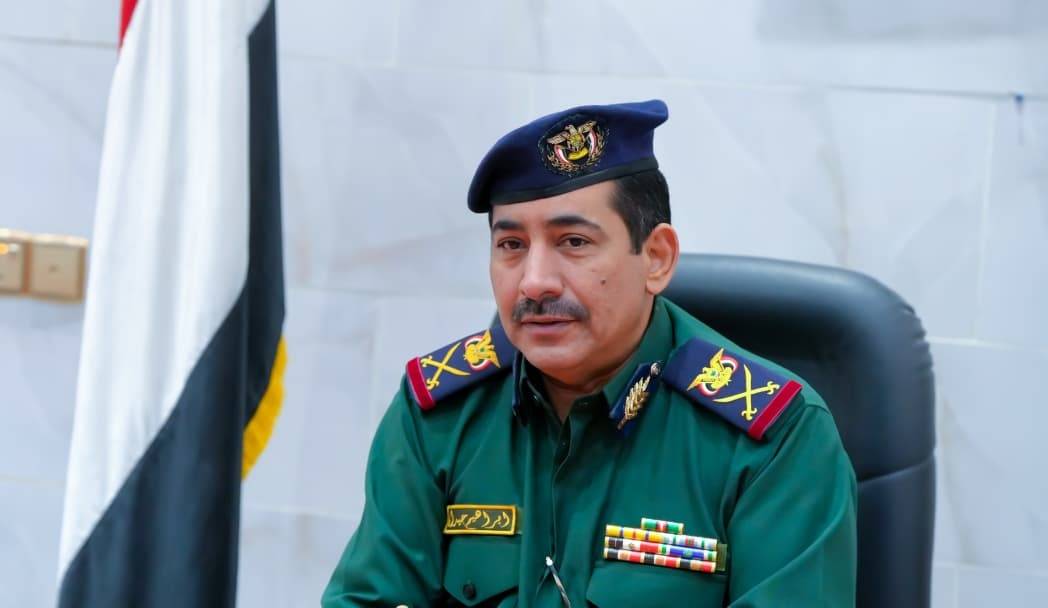
Security situation in Aden
The minister said the security situation in liberated areas in general, and in the temporary capital Aden in particular, was seeing continuous improvement despite what he described as a “systematic targeting” of the city’s security aimed at undermining efforts to restore the state.
He said progress could be measured through several indicators, including the effectiveness and rapid response of security agencies, declining crime rates, and public support for state institutions. He added that those factors had helped foil what he described as the largest political assassination plot, although “the price was high.”
According to Haidan, the plot claimed the lives of three prominent figures over recent weeks: Major Abdul Karim Abdullah, deputy director of the Seventh Security District; Dr. Abdulrahman Al-Shaer, director of Al-Nawras Schools; and Wissam Qaed, acting executive director of the Social Fund for Development.
He said the Interior Ministry, backed by military and intelligence institutions, was working to achieve security and stability under a comprehensive security plan aimed at strengthening state institutions and enforcing the rule of law, while noting positive cooperation from citizens.
Haidan added that security forces had become “more professional, disciplined and vigilant” in confronting threats posed by militias and their regional allies.
Why assassinations have returned
Haidan said the resurgence of assassinations in Aden was intended to create social unrest and erode public confidence in the state.
“By examining the nature of the targets chosen by militias backed by regional actors, we can understand the mechanism of the plot,” he said. “The assassinations recently targeted the security sector, education and development, meaning that both the state and society were being targeted simultaneously.”
He said the attacks were also aimed at obstructing efforts by the Presidential Leadership Council and the government to unify decision-making and normalize conditions in the country.
Who is behind the assassinations?
Responding to a question about those responsible for the recent assassinations in Aden, Haidan said security agencies, in coordination with the public prosecution, had made significant progress in collecting evidence and tracking leads.
“Many leads indicate that the rebellious coup militias received support from foreign parties to create chaos, disrupt the project of restoring the state and obstruct development efforts in liberated areas, especially Aden,” he said.
Assassination of Wissam Qaed
Regarding threats allegedly received by Wissam Qaed from the Houthis before his killing, Haidan said the group had a long history of using assassinations as a political tool.
“The preliminary evidence and threats received by the martyr before his assassination place these militias under direct suspicion,” he said, adding that the perpetrators may not necessarily have been directly affiliated with the Houthis but could have cooperated with allied groups pursuing a common goal of chaos and undermining the state.
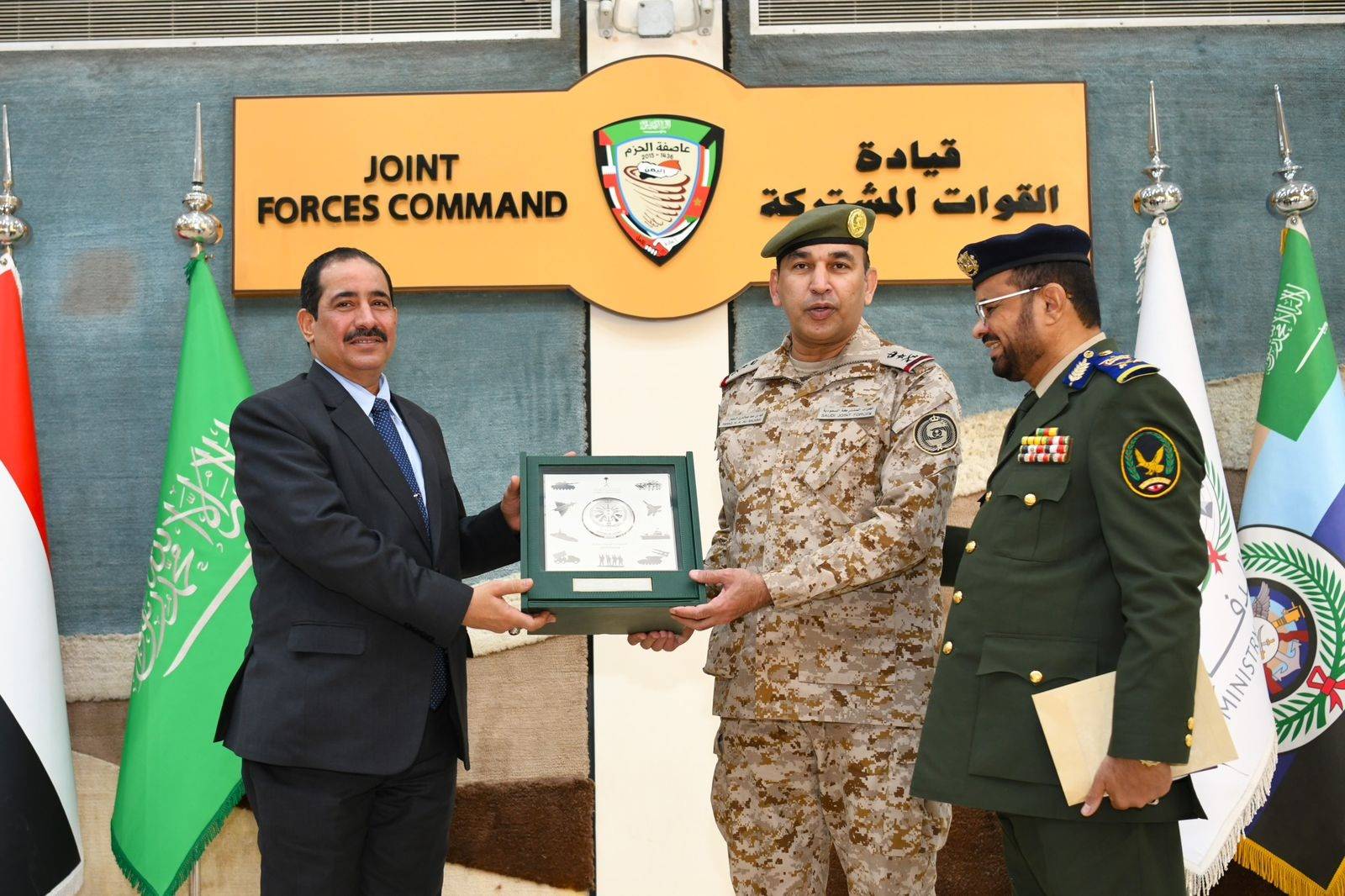
Foreign funding and support
Haidan confirmed that some of the terrorist cells behind the assassinations had foreign links and had received financial and logistical backing.
“There is an intelligence war taking place on our soil aimed at shedding the blood of our people and dismantling the social fabric in order to undermine the state and obstruct the restoration of its institutions,” he said.
He added that Yemen was coordinating with regional and international partners to “dry up the sources of cross-border terrorism.”
Dismantling assassination cells
Speaking about the recently dismantled assassination cells, Haidan said the arrested group had been trained to carry out assassinations and plant explosive devices and included individuals with criminal records directly linked to a command center in Houthi-controlled areas.
He described the operation as a successful pre-emptive strike, adding that authorities had found documents, maps and tools revealing a major plot targeting prominent political and security figures.
Security in liberated areas
The minister said there had been “tangible progress” in the security situation across liberated provinces, noting growing coordination and integration among security agencies nationwide, with Aden receiving particular focus because of its political and symbolic significance.
He added that official statistics showed a slight decline in crime rates while maintaining the same level of enforcement.
“Compared with the first quarter of 2025, which recorded 3,111 crimes, the first quarter of 2026 recorded 3,064 crimes, with a clearance rate reaching 90 percent,” Haidan said.