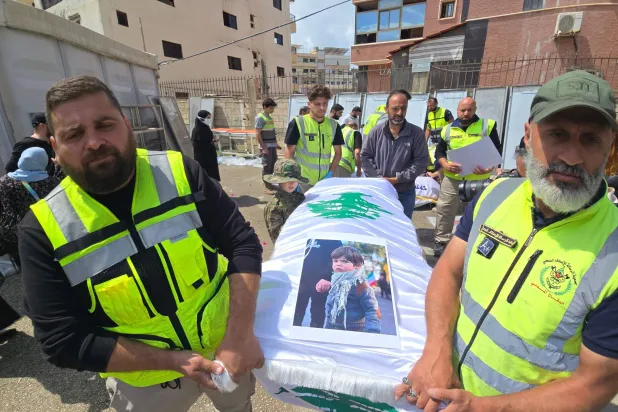
Hezbollah sent a message to Arab and other embassies in Lebanon on Thursday, setting out its demands to their governments: an end to assassinations, the withdrawal of Israeli forces from Lebanese territory, the return of residents to their villages, and the release of detainees held by Israel.
It said the issue of its weapons should be addressed through “internal dialogue.”
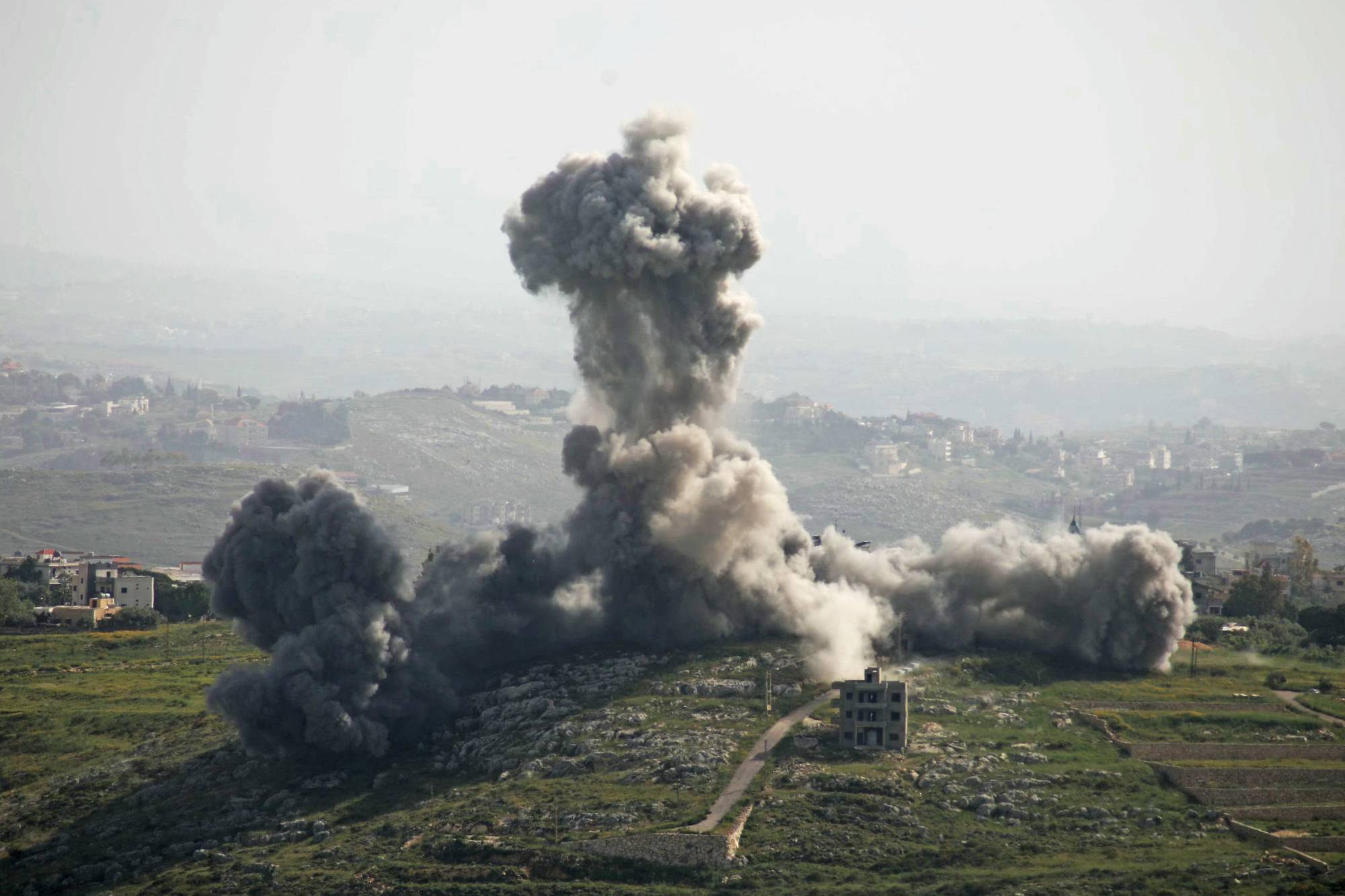
The move came as military operations continued in south Lebanon, including an explosion in one village on the third line from the Israeli border, while Hezbollah focused on countering what it sees as Israeli attempts to expand deeper into Lebanese territory.
Hezbollah is trying to prevent any further Israeli advance in south Lebanon aimed at tightening control over villages within or around the “yellow line.” Security sources in the south told Asharq Al-Awsat the group’s pressure is concentrated on likely points of new incursions, especially around Zawtar in the eastern sector on the Litani River bank.
They said Israeli forces were trying to push through those vulnerable areas toward Lebanon’s interior, whether in Zawtar or Hadatha.
Israeli forces advanced on Wednesday into the eastern neighborhood of Hadatha, a town on the third line of border villages. Hezbollah said it had confronted the advance from several directions.
Local sources said later on Wednesday that Israeli forces carried out an explosion in the eastern neighborhood, alongside heavy air and artillery strikes on the town.
The advance began from Rshaf, a town on the second line of border villages. Rshaf is adjacent to Debel, a Christian town, many of whose residents have been displaced to the Christian towns of Rmeish and Ain Ebel, while others fled to areas deeper inside Lebanon during the third week of the expanded war.
Security sources in South Lebanon said Hezbollah intensified its operations in the area to prevent Israeli forces from entering Hadatha and seizing it.
They said the group had “concentrated its military weight in that area, in the face of an Israeli military weight focused on the same area to advance inland.”
The intensity was reflected in Hezbollah statements announcing rocket salvos and suicide drone attacks on gatherings of Israeli army vehicles and soldiers in Debel and Rshaf, as well as attacks around Hadatha “with attack drones and heavy rocket salvos in repeated waves.”
On the Israeli side, the Hebrew website Walla reported that Colonel Meir Biderman, commander of the 401st Brigade, was wounded in a Hezbollah attack in Debel.
It quoted a military source as saying Biderman “entered a building in south Lebanon that was known to be protected in order to sleep there, then came under attack by a drone.”
The source said the brigade commander was seriously wounded when the drone exploded.
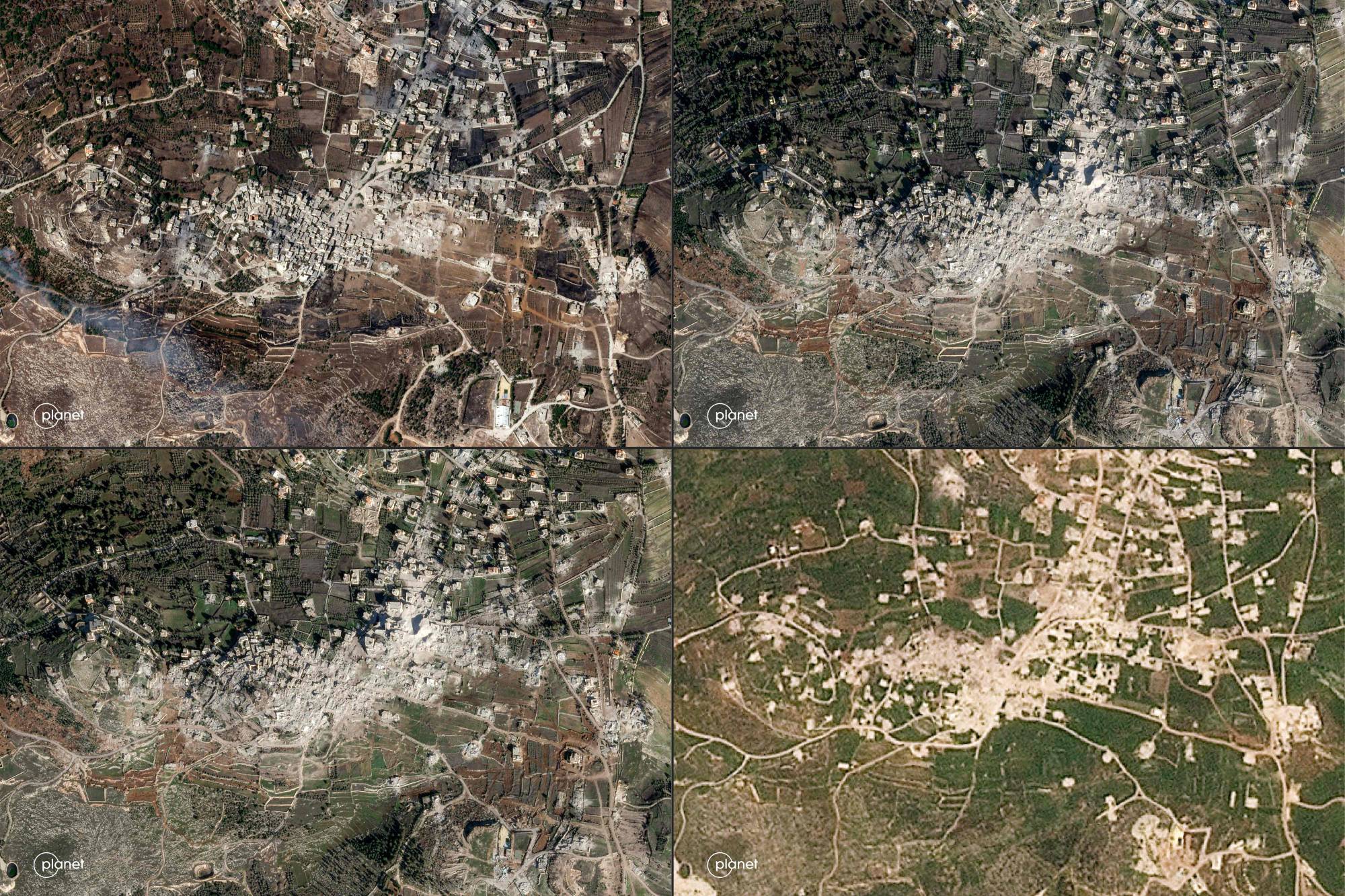
3,089 killed
Air and artillery strikes continued inside Lebanon. The Health Ministry said 3,089 people had been killed and 9,397 wounded from March 2 to May 21.
The escalation also continued on the ground. An Israeli drone struck a motorcycle in Froun, killing its driver. Artillery fire hit Kfar Dounin, Baraachit, Mansouri, Beit Yahoun and Touline. Israeli warplanes struck Ghandouriyeh.
Israeli warplanes also raided the outskirts of Touline and the road between Toura and Jennata in the Tyre district.
An Israeli drone dropped sound bombs near farmers in Haniyeh, south of Tyre, without causing casualties.
Hezbollah turns to Western and Arab states
Against that backdrop, Hezbollah, through its parliamentary Loyalty to the Resistance bloc, turned to foreign and Arab diplomatic missions in Beirut. The message addressed governments on the situation in the south and sought to justify the fighting there.
In a memo explaining the field situation during the 15 months before it joined Iran’s support war, the bloc said political and diplomatic efforts “did not lead to a halt to these Israeli crimes against our country.”
It said the Lebanese government had failed to compel “the occupying entity” and the sponsors of the agreement to implement it, while the committee tasked with applying the agreement, “the mechanism,” had deliberately failed to do its job, worsening the suffering of the Lebanese people.
The bloc said: “Our demand as Lebanese, and the demand of everyone keen on the sovereignty, independence and freedom of their country, is to stop all forms of aggression against our national sovereignty by air, land and sea, to halt hostile actions, including the assassination of citizens and the targeting of civilian infrastructure, homes and public and private institutions, the withdrawal of the Israeli enemy army from our land to the internationally recognized borders, the return of residents to their villages and their reconstruction, and the release of detainees from occupation prisons.”
It added: “As for other issues linked to protecting Lebanon, they are a Lebanese matter that can be addressed through internal dialogue leading to the completion of a national security strategy to which all Lebanese commit,” a reference to Hezbollah’s disarmament.